To start an employee brand ambassador programme, pick a small group of willing volunteers, train them, give them a regular brief, approve their content before it's posted, and recognise them publicly. Ambassadors are the people who post first and show everyone else it's safe and worthwhile.
Unlike a company-wide push, an ambassador programme starts with a handful of keen people and grows from there. This guide covers how to choose them, train them, brief them, what to put in a simple ambassador charter, and how to keep the energy going past month three.
What an employee brand ambassador does
An employee brand ambassador is a staff member who regularly creates content about their work and your company on their own social media: a day in their role, a product tip, a behind-the-scenes look, a team celebration. They do it voluntarily, following a brief and a few agreed rules.
Ambassadors are usually the first wave of a wider employee advocacy programme. Their job is to prove the idea works, set the standard, and encourage colleagues to join.
How to select ambassadors
Start with volunteers, not nominations. People who are told they've been chosen often post once to be polite and then stop. People who put their hand up keep going.
Announce the programme with a short message from a leader: what it is, why it matters, what ambassadors get, and roughly how much time it takes.
Invite applications with two or three simple questions: which platforms they use, what they'd like to post about, and what support they'd want.
Look for range, not just reach. Mix departments, seniority, languages and platforms. An outlet supervisor on TikTok and a finance manager on LinkedIn reach very different audiences.
Don't select on follower count. Smaller, real audiences often engage more, and a programme of only already-popular staff discourages everyone else.
Start with 10 to 30 people. Enough to produce steady content, small enough to give each person attention.
If too few people apply, ask managers to suggest names, then invite those people personally. A personal invitation is not the same as a nomination: they can still say no.
Training that actually helps
Most staff don't need a full course. One 45 to 60 minute kick-off session, plus a short follow-up a month later, covers it:
The why. What the company hopes to achieve and how ambassadors fit in.
The rules. A walk-through of the social media policy: what's confidential, what needs approval, how to show they work for the company. Our social media policy template is a good base.
Filming basics. Hold the phone vertically, film in natural light, get to the point in the first few seconds, add captions.
Ideas. Show five or six example posts from staff at your company or similar ones.
The process. How briefs arrive, how to submit a draft, how long approval takes, and how rewards work.
Record the session so new ambassadors can watch it later.
A brief cadence ambassadors can keep up with
Rhythm matters more than volume. A predictable monthly cycle keeps ambassadors posting without burning them out:
Week
What happens
Week 1
New brief goes out: theme, two or three angles, key messages, dos and don'ts, deadline
Week 2
Ambassadors submit drafts; reviewers give feedback within two working days
Week 3
Approved posts go live; the team comments, shares and celebrates them
Week 4
Results collected; shout-outs and rewards announced; feedback gathered for next brief
Ask for one post per ambassador per month as the baseline. Anyone who wants to do more can, but the minimum should feel easy. Plan themes around the Malaysian calendar, such as Hari Raya, Chinese New Year, Deepavali and Merdeka, as well as your own launches and events.
Recognition and rewards
Ambassadors are giving you their time, their face and their followers. Thank them often and in public:
A comment or share from leadership on their posts.
A shout-out in the company newsletter, town hall or WhatsApp group.
A monthly 'ambassador of the month' with a small prize.
Early access to launches, events or new products.
Training or a better phone mic or ring light for the most active ambassadors.
Small fixed rewards per approved post work well too. Rewards to employees are usually treated as income or a benefit, so check with your HR or tax adviser. Our guide on how to reward employees for social media posts covers amounts and fairness.
The ambassador charter: what to agree in writing
Keep the charter to one page. It's an agreement, not a contract.
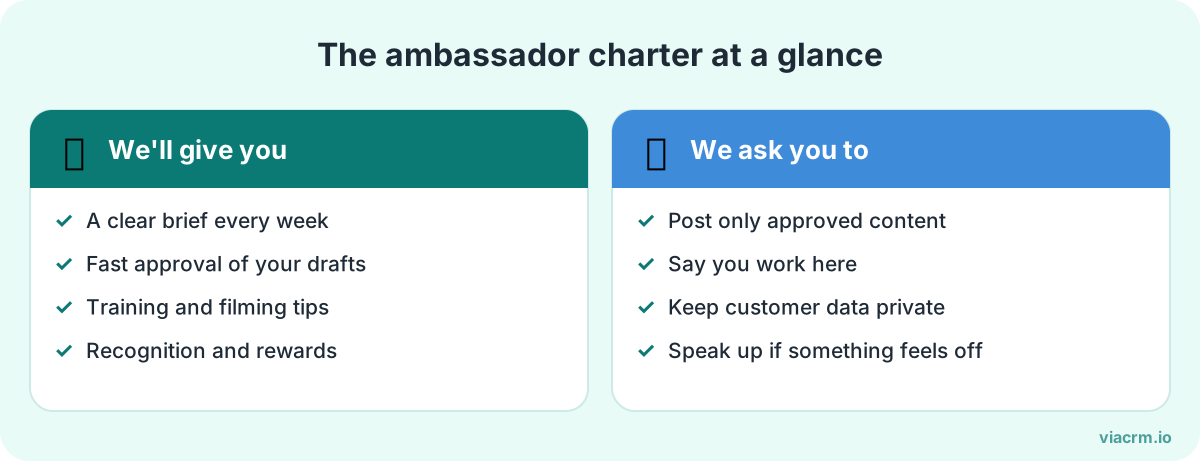
A one-page charter sets expectations on both sides. It isn't a legal contract; it's a shared understanding. Points to include:
Participation is voluntary and ambassadors can step down at any time without consequences.
Time commitment: for example, one post a month and one short check-in a quarter.
Approval: content about the company is submitted for review before posting.
Disclosure: ambassadors make clear they work for the company, for example in their bio or post.
Confidentiality: no unreleased products, prices, client names or internal matters.
Ownership and reuse: whether, and with what permission, the company can repost their content on its own channels or in ads.
Personal data: how their name, handles and contact details will be used and stored.
Rewards: what they get, how it's decided, and when it's paid.
What the company commits to: timely approvals, recognition, training and support if a post attracts negative comments.
Have HR and, where needed, legal review the charter before you share it.
Measuring and keeping it going past month three
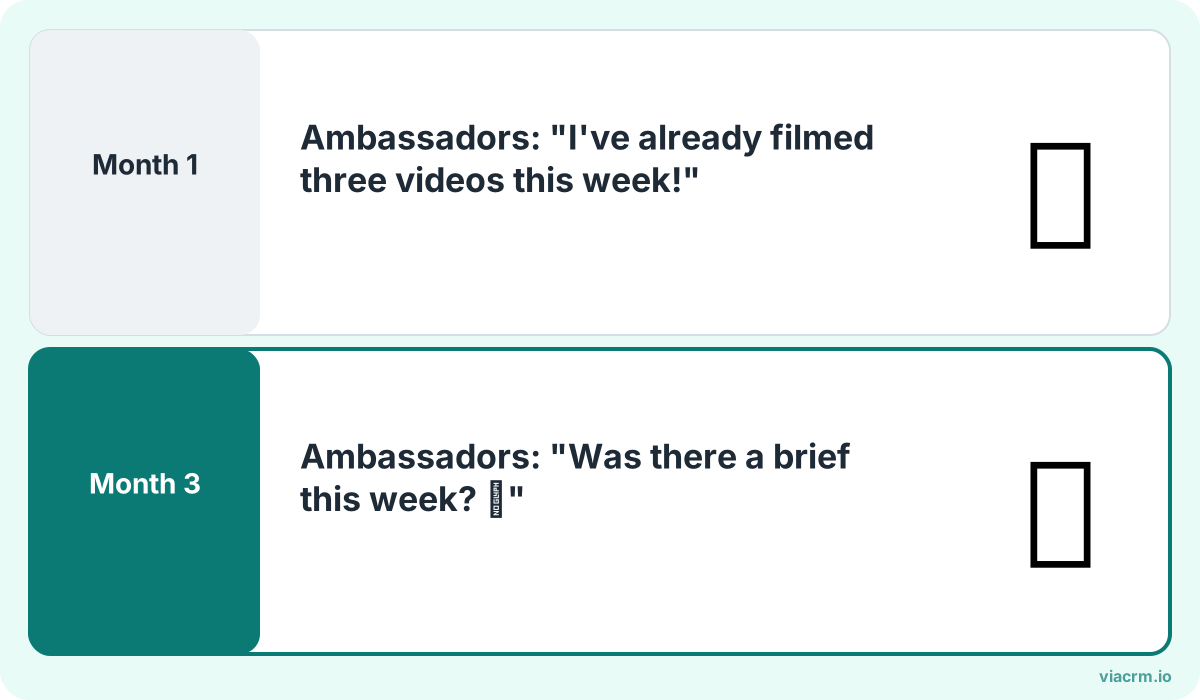
The month-three dip is normal. Fresh briefs and visible results fix it.
Track a few simple numbers every month: active ambassadors, approved posts, total views or reach, average approval time, and any enquiries or applicants who mention staff posts. Share them back with ambassadors, not just leadership.
Month three is where most programmes dip. The novelty has worn off and the first ideas are used up. To get through it:
Refresh themes and invite ambassadors to suggest next month's brief.
Bring in a second wave of volunteers, with current ambassadors as mentors.
Run a short refresher session with new formats and examples.
Ask quietly why inactive ambassadors stopped, and fix what you can.
Let people pause for busy seasons rather than drop out.
Where ViaCRM fits
The admin behind an ambassador programme looks a lot like running influencer campaigns, which is what ViaCRM was built for. You send each brief with deliverables, posting dates, restricted keywords, required disclaimers and sample content. Ambassadors upload drafts and get updates on WhatsApp; your project manager comments and approves first, then an approver, such as a higher-up, can give the final sign-off, with every approval timestamped. An AI checker flags spelling, profanity, religious sensitivities and banned words first.
Instagram and TikTok results update automatically each week, and Facebook and RED posts can be added manually, so your monthly numbers are in one place. Each person can also have a personal tracking link, so you can see which posts bring in clicks. Every plan has unlimited users and each ambassador counts as one active participant.
Frequently asked questions
What is an employee brand ambassador?
A staff member who voluntarily creates content about their work and company on their own social media, following a brief and agreed rules. Ambassadors usually form the first group of a wider employee advocacy programme.
How do you choose employee brand ambassadors?
Ask for volunteers rather than nominating people, and aim for a mix of departments, roles, languages and platforms. Don't select on follower count. Start with 10 to 30 people so each gets proper support.
Should employee brand ambassadors sign an agreement?
A simple one-page charter is helpful. It should cover that participation is voluntary, the time commitment, content approval, disclosure, confidentiality, reuse of their content, personal data and rewards. Have HR or legal review it first.
How often should ambassadors post?
One post a month is a sensible baseline that most people can keep up with. A predictable monthly brief cycle works better than asking for lots of posts at once.
Give your ambassadors one place to work
Brief, approve and track your employee ambassadors' content with ViaCRM.
How to plan and run an employee advocacy programme in Malaysia: goals and KPIs, roles, a 90-day launch plan, policy, rewards, measurement and partner networks.
How to encourage employees to post on social media: why staff hold back, a 7-step plan that makes posting safe and easy, content ideas, and mistakes to avoid.
Ideas to reward employees for posting about your company on social media: what to reward, what to give, how to keep it fair and run it without spreadsheets.