To pay influencers in Malaysia smoothly, agree the fee and payment date in writing before the work starts, collect each creator's payment details once, and pay in batches on a fixed schedule with a record for every payment. The hard part isn't the transfer itself. It's registering every creator as a vendor, chasing invoices and handling foreign creators.
This guide walks through the real pain points brands and agencies hit, and the simple habits that fix most of them.
Why paying influencers is harder than it looks
Multiply this by every creator, every campaign.
For a single creator, payment is easy: get their bank details, make a transfer, done. For a campaign with 30 or 50 creators, it turns into a project of its own:
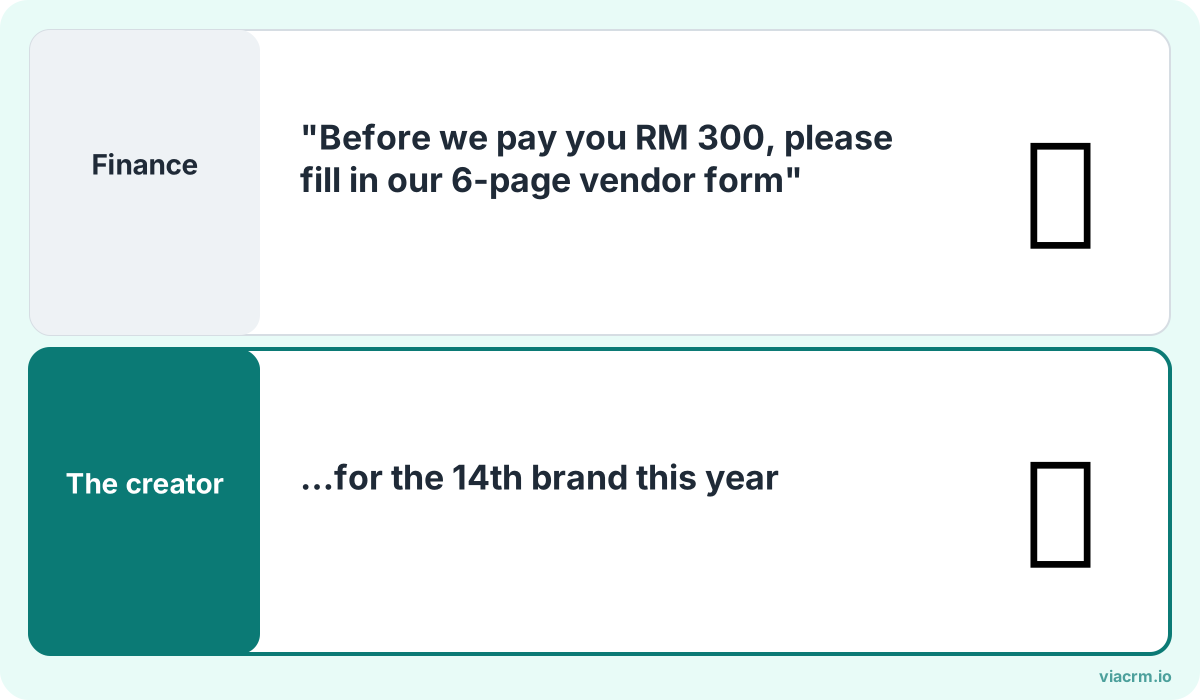
Vendor registration. Many companies require every payee to be registered as a vendor, with forms, IC or company details and bank statements. Fifty creators can mean fifty forms.
Bank details. Collected over WhatsApp, typed by hand, and sometimes wrong.
Invoices and receipts. Many creators don't issue invoices, and finance still needs a document for every payment.
Timing. Brands often pay agencies on 30 to 90 day terms, while creators expect to be paid soon after posting.
Foreign creators. Different currencies, international transfer fees and FX rates.
None of this is about creativity, but it decides whether creators want to work with you again. Paying late is one of the fastest ways to lose good creators.
Step by step: a payment process that scales
Put the terms in writing. The fee, deliverables, what counts as complete (for example, approved and posted for at least 30 days), the payment date and the payment method. A short agreement or a confirmed brief is enough for most campaigns.
Collect payment details once. Use a form, not a chat. Ask for full legal name, IC or company number, bank name, account number and an email for remittance advice.
Decide what finance needs. Some companies need an invoice from each creator; others accept a payment voucher or a self-billed document. Ask before the campaign, not after.
Confirm completion. Pay against a posted link that matches the approved draft, so there's no argument about what was delivered.
Pay in batches on a fixed date. For example, every second Friday after posting. Creators like predictability more than speed.
Send a remittance note. A simple message with the amount, date and campaign saves you a lot of "have you paid me?" chats.
File everything by campaign. Agreement, invoice or voucher, proof of posting and proof of payment, together.
Invoices, receipts and e-invoicing
Your finance team will want a document behind every payment. With individual creators, that's often where things stall, because many creators are students, part-timers or new to brand work and have never issued an invoice.
Malaysia's e-invoicing system, MyInvois, is also changing what businesses need to issue. According to the Inland Revenue Board's e-invoice implementation timeline, e-invoicing has been phased in by turnover since August 2024, and at the time of writing taxpayers with annual turnover below RM 3 million are exempted. LHDN's e-Invoice Specific Guideline also lists situations where the buyer issues a self-billed e-invoice, including payments to individuals who are not conducting a business and purchases from foreign suppliers.
Whether a creator counts as "conducting a business" and what your company must issue depends on your own situation, and the rules have been updated several times. Check the current guidance with your accountant or tax adviser. This article isn't tax advice.
Paying foreign creators and handling FX
Campaigns in Malaysia often include creators from Singapore, Indonesia, Thailand or further away. A few things to settle upfront:
Which currency the fee is in. Agree it in the creator's currency or yours, and write it down. This decides who carries the FX risk.
Who pays transfer fees. International bank transfers can include sending, intermediary and receiving charges. Agree whether the creator receives the full fee.
What details you need. International payments may need a SWIFT code, bank address or local account details, depending on the country.
Which rate is used. Note the exchange rate on the payment date for your records.
For larger programmes, a payout provider that supports local transfers in many countries is usually faster and more predictable than international wires sent one by one.
Payment timing that keeps creators happy
Agencies often sit between a brand paying on long terms and creators who expect quick payment. There's no single right answer, but these approaches work:
Approach
How it works
Watch out for
Pay on a fixed cycle after posting
For example, within 14 days of the post going live
Make sure the client deposit or budget is confirmed first
Deposit before the campaign
Client funds a payout balance before creators start
Needs a clear refund process for unused funds
Part payment upfront
A share on approval of the draft, the rest after posting
More payments to track per creator
Pay after the client pays you
Creator payment follows the client's payment terms
Tell creators the timeline upfront; long waits hurt relationships
Whatever you choose, tell creators the date in the brief and keep to it.
Record keeping your finance team will thank you for
Keep one record per payment with: creator name, campaign, deliverable, post link, amount, currency, payment date, reference number, and the supporting document. Store it by campaign so you can answer an auditor's or client's question in minutes.
Creator bank and identity details are personal data under Malaysia's Personal Data Protection Act 2010. Collect only what you need, limit who can see it, and don't leave bank details sitting in group chats.
Where ViaCRM fits
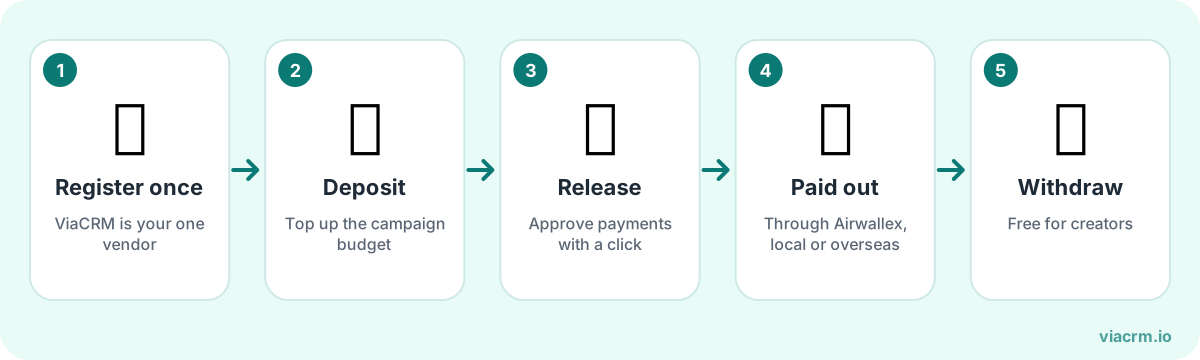
One vendor registration instead of fifty.
ViaCRM's payments feature was built to remove the vendor-form problem. Instead of registering every creator, your company registers ViaCRM as one vendor. You deposit funds once, then release payments to creators with a click when their work is done. ViaCRM pays each influencer through Airwallex, and influencers aren't charged to withdraw.
Most pay by bank transfer after the content is posted, against an agreed fee and an invoice or payment voucher. Larger brands and agencies often use a payout provider or platform so they can pay many creators in one batch instead of registering each one as a vendor.
Do influencers need to issue an invoice?
It depends on what your finance team requires and on current e-invoicing rules. Some creators issue their own invoices; for individuals who aren't conducting a business, LHDN guidance describes the buyer issuing a self-billed e-invoice. Check with your accountant for your situation.
When should I pay an influencer?
Agree the date in writing before the campaign. A common approach is to pay within a set number of days after the approved content is posted. Whatever you choose, tell creators upfront and keep to it.
How do I pay a foreign influencer from Malaysia?
Agree the currency and who pays transfer fees first, collect the right bank details for their country, and record the exchange rate used. A payout provider that supports local transfers abroad is often simpler than individual international wires.
Run your first campaign free
Register one vendor, deposit once and pay every influencer with a click. Your first campaign for each brand is free.
What influencer campaign management software does, how it differs from discovery tools, and a checklist and vendor questions to help you choose the right one.
How to review and approve influencer content: a draft checklist, a two-layer agency and client workflow, turnaround times, and how to give creators feedback.
How influencer agencies manage multiple clients at once: separate workspaces, client logins, two-layer approvals, per-client reporting, billing and team roles.