An influencer marketplace helps you find creators you don't know yet; an influencer CRM helps you manage the creators you already work with. If finding new creators is your main problem, start with a marketplace. If running campaigns, approvals, reports and payments with your own creators is the problem, you need a CRM.
The two get lumped together as 'influencer platforms', which makes choosing confusing. This guide explains what each one is, compares them side by side, and covers when it makes sense to use one, the other, or both.
What is an influencer marketplace?
A marketplace is a platform where brands and creators meet. Creators sign up and build a profile; brands post a campaign or search the directory, and creators apply or get invited.
Marketplaces are good at discovery. If you're a brand launching your first campaign and don't know any creators in your category, a marketplace gives you a ready pool to choose from, often with rates shown upfront.
Many marketplaces also handle part of the transaction, such as agreeing the fee and paying the creator. Pricing varies: some charge a subscription, some take a commission on each booking, and some do both. Check each platform's terms for exactly how fees and contact details are handled.
What is an influencer CRM?
CRM stands for customer relationship management. An influencer CRM applies the same idea to creators: it's software for managing your own relationships and campaigns.
You bring your own creator list, whether that's ten favourite micro-creators or a database you've built over years. The CRM helps you organise them, brief them, review their drafts, track their posts, report results and pay them.
A CRM doesn't come with a crowd of creators. Its value is in the work after you've chosen who to work with, and in keeping your relationships, history and notes in one place you control.
Side by side
Renting a network vs building your own.
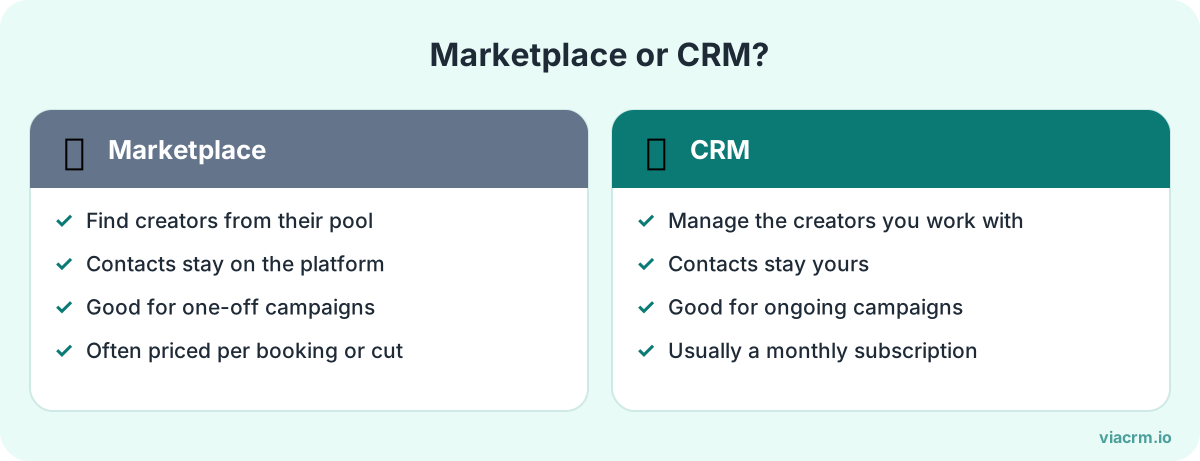
The differences come down to who owns the relationship and what you're paying for.
Agencies, brands with repeat creators, larger programmes
Neither is better in general. They solve different problems, and many teams have both problems at different times.
A useful test: list the last ten hours your team spent on influencer work. If most of it went on searching for and contacting new creators, that points to a marketplace. If most went on chasing drafts, collecting links, building reports and sorting payments, that points to a CRM.
When a marketplace makes sense
You're new to influencer marketing and don't have creator contacts yet.
You're entering a new niche or market, for example moving from beauty into gaming, or from Malaysia into a neighbouring country.
You run occasional, small campaigns and would rather pay per booking than for ongoing software.
You want the platform to handle the paperwork and don't mind working within its process.
For a brand testing the waters with a few creators, this can be a sensible, affordable start.
When a CRM makes sense
You already have creators you trust, and you work with many of them again and again.
You're an agency and your creator network is part of what clients pay you for. It needs to stay yours.
You run several campaigns a month and the pain is admin: briefs, drafts, approvals, links, reports and payments.
Your clients or managers need to review content before it goes live, with a clear record of who approved what.
You work with people who aren't influencers at all, such as employees, agents, dealers or outlet staff, who'd never join a marketplace.
If most of your week goes on managing campaigns rather than finding creators, a CRM is the better fit. Our guide to influencer campaign management software covers what to look for.
Can you use both?
Yes, and many teams do. A common pattern:
Discover new creators wherever works for you: a marketplace, social search, recommendations or your own outreach.
Check the terms before moving a relationship off any platform. Some marketplaces restrict working with creators directly after meeting them there, so respect what you agreed to.
Manage the creators you choose to keep working with in your own CRM, with your own briefs, approvals and records.
Whichever tool holds your creator contacts, you're responsible for handling that personal data properly. In Malaysia, that means following the Personal Data Protection Act 2010: collect what you need, use it for the purpose you collected it for, and keep it secure.
Where ViaCRM fits
ViaCRM is an influencer CRM, not a marketplace. It was built by agencies, for agencies and brands, and you bring your own influencers and partners. Your contacts stay yours.
Shortlist from your own list by keyword, niche, audience size, platform and location, and let clients give feedback and accept the shortlist in their own login.
Brief, review and approve drafts inside ViaCRM, with two-layer approval and timestamps.
Track results: Instagram and TikTok pulled automatically each week, other platforms entered manually, with cost per view in a PDF report.
Pay everyone from one deposit through Airwallex.
Pricing is a monthly subscription per brand, with unlimited users and your first campaign for each brand free. Your data is encrypted on AWS in an account separate from SushiVid's, and isn't shared with SushiVid. Details are on pricing.
Frequently asked questions
What is the difference between an influencer CRM and an influencer marketplace?
A marketplace helps you find and book creators from the platform's own pool. A CRM is software for managing creators and campaigns you already have, from briefs and approvals to reports and payments. With a CRM, the contacts are yours.
Do I own the influencer contacts on a marketplace?
It depends on the platform's terms. Some keep the relationship inside the platform or restrict direct bookings. Read the terms before you sign up, especially if you're an agency whose creator network is part of your value.
Is ViaCRM an influencer marketplace?
No. ViaCRM is influencer campaign management software. You bring your own influencers, employees, agents or partners, and the contacts stay yours. It doesn't supply creators.
Can a small brand use an influencer CRM?
Yes, if you already have creators to work with. If you're starting from zero, you may want to find creators first, through a marketplace, social search or recommendations, then manage them in a CRM.
Run your first campaign free
Manage your own influencers in ViaCRM, from brief to payment, and keep every contact yours.
What influencer campaign management software does, how it differs from discovery tools, and a checklist and vendor questions to help you choose the right one.
How influencer agencies manage multiple clients at once: separate workspaces, client logins, two-layer approvals, per-client reporting, billing and team roles.
Seven signs your influencer campaigns have outgrown spreadsheets, what to move first, and a simple checklist to manage influencer campaigns without the chaos.